

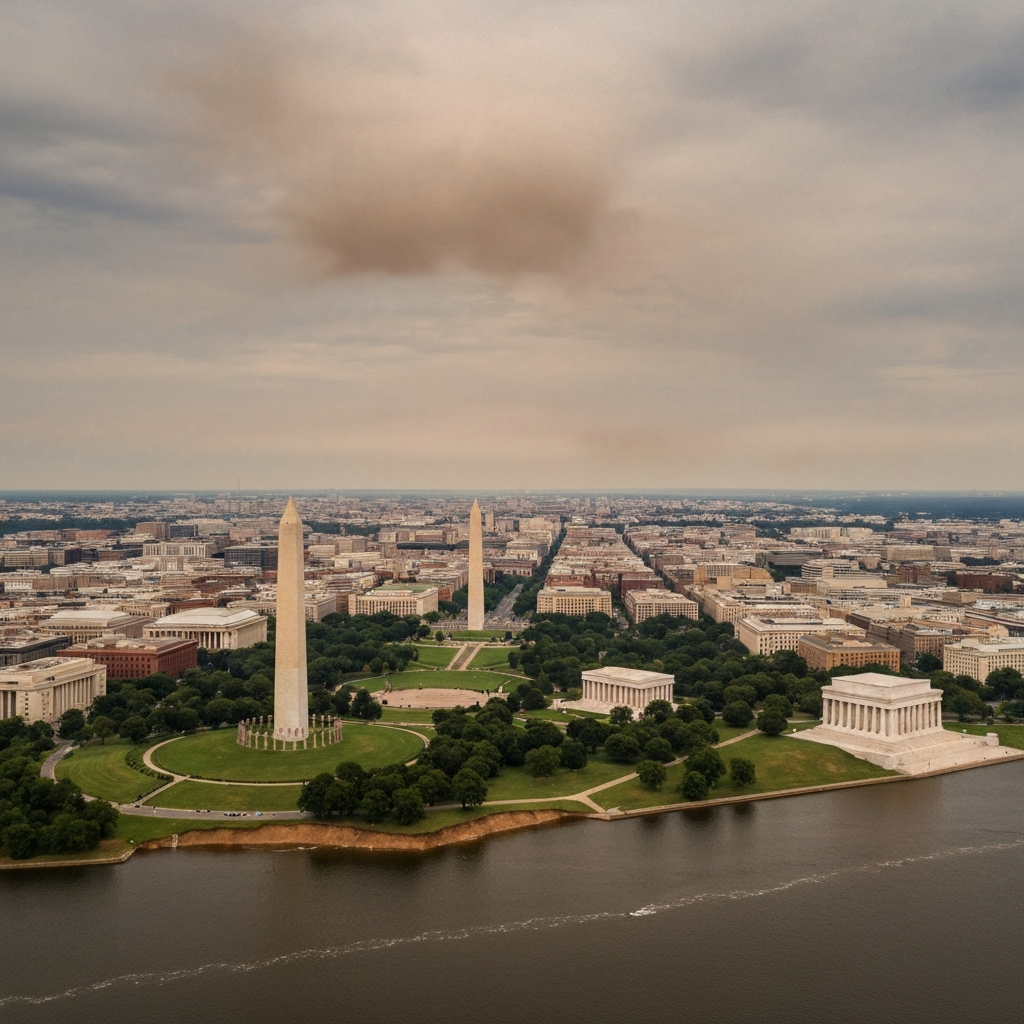
Washington, D.C., like many urban areas, is experiencing the tangible effects of climate change. Rising temperatures, increased rainfall intensity, and more frequent extreme weather events are becoming part of our daily reality.
Rising Temperatures
Over the past several decades, the District has seen a significant increase in average temperatures. According to the National Park Service, average temperatures in D.C. are already about 3.4°F warmer in the 2020s than they were in the 1970s. This warming trend contributes to longer and more intense heatwaves, posing health risks, especially to vulnerable populations.
Increased Rainfall Intensity
Climate change is also leading to more intense rainfall events. A study by Climate Central indicates that hourly rainfall intensity in the region has risen by 15% from 1970 to 2024. These heavier downpours elevate the risk of flash flooding, landslides, and hazardous road conditions, impacting both residents and infrastructure.
Local Initiatives for Resilience
In response to these challenges, the District has implemented several initiatives aimed at building resilience and sustainability:
Climate Ready DC
The Climate Ready DC plan outlines strategies to adapt to changing climate conditions. It focuses on preparing people, homes, communities, businesses, and infrastructure for the impacts of climate change that are already here and projected to occur.
Sustainable DC 2.0
Under Mayor Muriel Bowser’s leadership, the Sustainable DC 2.0 initiative aims to make the District the healthiest, greenest, and most livable city for all residents. This comprehensive plan addresses various aspects of sustainability, including energy, water, transportation, and waste management.
Zero Waste DC
The Zero Waste DC initiative is an interagency effort providing resources to help residents, businesses, and schools move toward zero waste. The goal is to divert 80% or more of waste generated by the city, acknowledging that some materials are not recoverable or will be sent to landfills or waste-to-energy facilities.
By understanding the local impacts of climate change and supporting these initiatives, residents can contribute to a more resilient and sustainable Washington, D.C.