

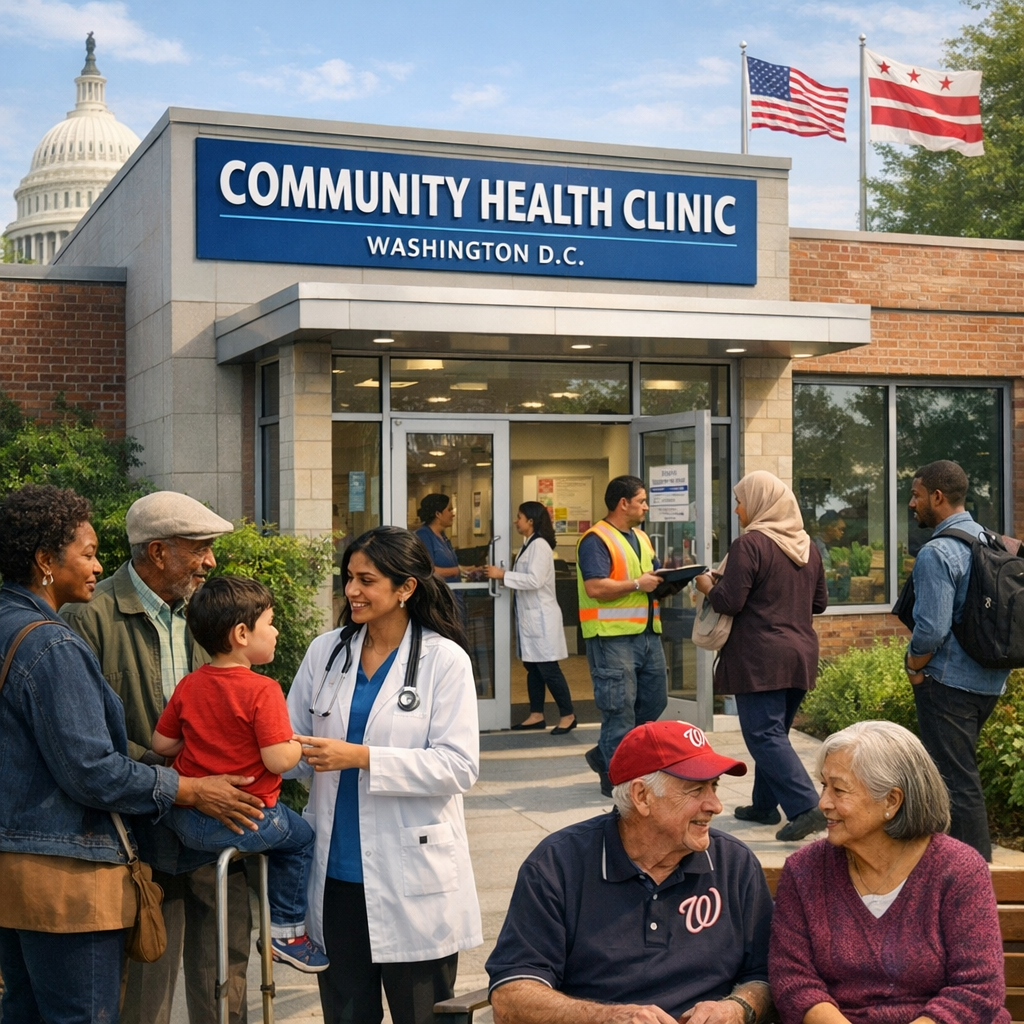
Washington D.C. is renowned for its rich history and cultural diversity. However, beneath this vibrant facade lies a pressing issue: significant health disparities among its residents. Recent analyses have highlighted that nearly half of Black D.C. residents live in medically underserved areas, leading to higher rates of chronic conditions such as heart disease and hypertension.
These disparities are particularly evident in neighborhoods east of the Anacostia River, where access to primary care services is limited. The lack of healthcare facilities in these areas has resulted in residents facing challenges in obtaining timely medical attention, contributing to poorer health outcomes compared to other parts of the city.
Community organizations are actively working to address these inequities. Initiatives like the VoicesDMV Community Insights Report aim to understand the diverse experiences of residents and inform community investments to better address these needs. By engaging with the community and gathering firsthand insights, these efforts strive to create a more equitable healthcare landscape in the District.
While these initiatives are steps in the right direction, sustained efforts and collaboration between government agencies, healthcare providers, and community organizations are essential. By prioritizing the establishment of healthcare facilities in underserved areas and ensuring that all residents have access to quality medical care, Washington D.C. can move towards bridging the health disparity gap and fostering a healthier community for all.