

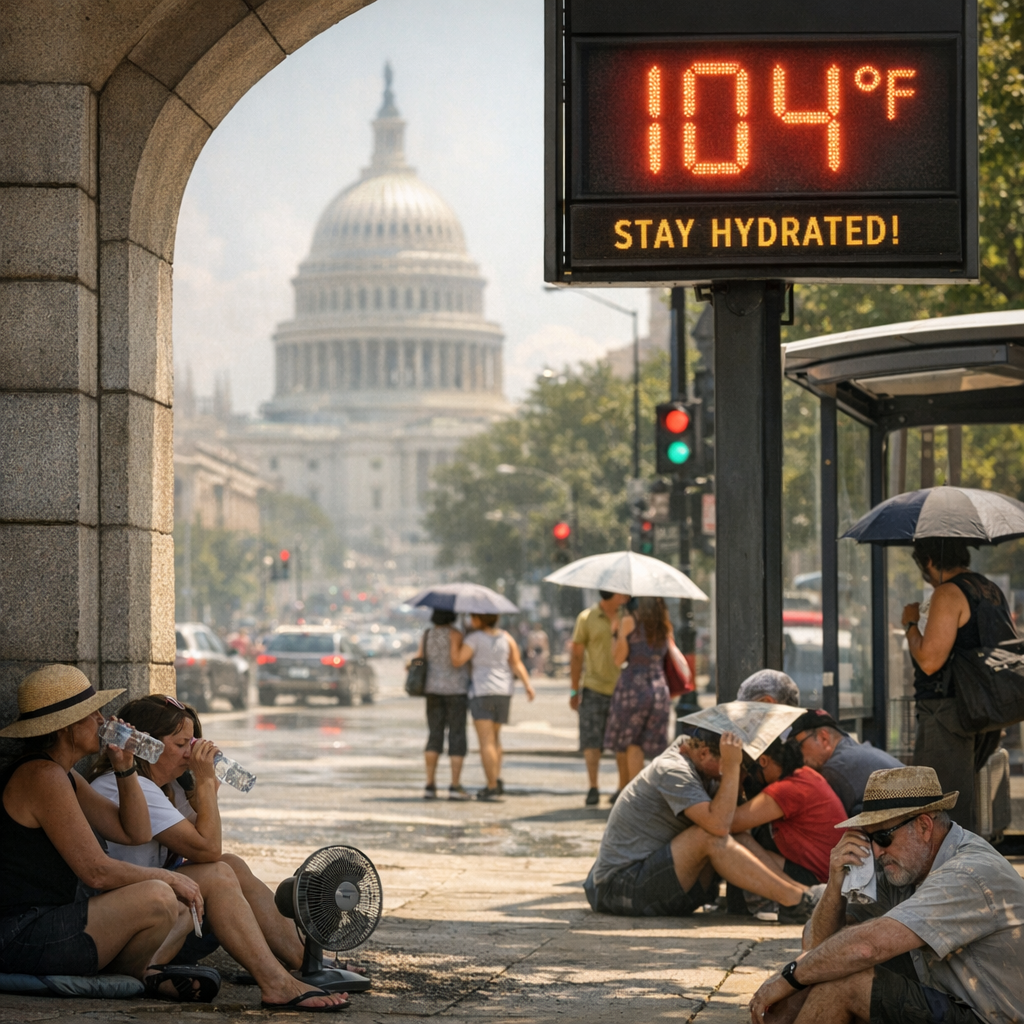
Washington, D.C., is experiencing significant changes due to climate change, including rising temperatures, increased precipitation, and more frequent extreme weather events. These shifts pose challenges to the city’s infrastructure, environment, and residents.
Rising Temperatures and Heatwaves
Over the past 50 years, the District’s average annual temperature has increased by approximately 2°F. Projections indicate that by the 2080s, summer high temperatures could rise to between 93°F and 97°F, up from the historical average of 87°F. This warming trend is expected to result in more frequent and prolonged heatwaves, posing health risks, especially to vulnerable populations such as the elderly and children.
Increased Precipitation and Flooding
The city has also seen a rise in intense rainfall events. For instance, in September 2020, a storm delivered nearly three inches of rain in just two hours, overwhelming the sewer system and causing significant flooding. Such events are becoming more common, increasing the risk of flash floods and associated hazards.
Urban Heat Island Effect
Some neighborhoods in D.C. are up to 16.5°F warmer than others due to the urban heat island effect, where areas with extensive pavement and minimal green space retain more heat. This effect exacerbates the impact of rising temperatures, particularly in densely built environments.
Adaptation and Mitigation Efforts
To address these challenges, the District has implemented several initiatives:
Climate Ready DC
This plan focuses on preparing the city’s infrastructure and communities for climate impacts. It includes strategies to manage extreme heat, flooding, and other climate-related risks.
Keep Cool DC
Launched in 2022, this strategy aims to reduce heat-related health risks by enhancing green spaces, increasing tree canopy, and implementing cooling centers across the city.
Resilient DC
As part of the 100 Resilient Cities network, this initiative seeks to build the city’s resilience to both acute shocks and chronic stresses, including those related to climate change.
Residents are encouraged to stay informed about climate risks and participate in community efforts to enhance resilience. Simple actions like planting trees, reducing energy consumption, and supporting local sustainability initiatives can contribute to a more climate-resilient Washington, D.C.