
By Olivia Washington
Economic Growth and Inflation: Mixed Signals
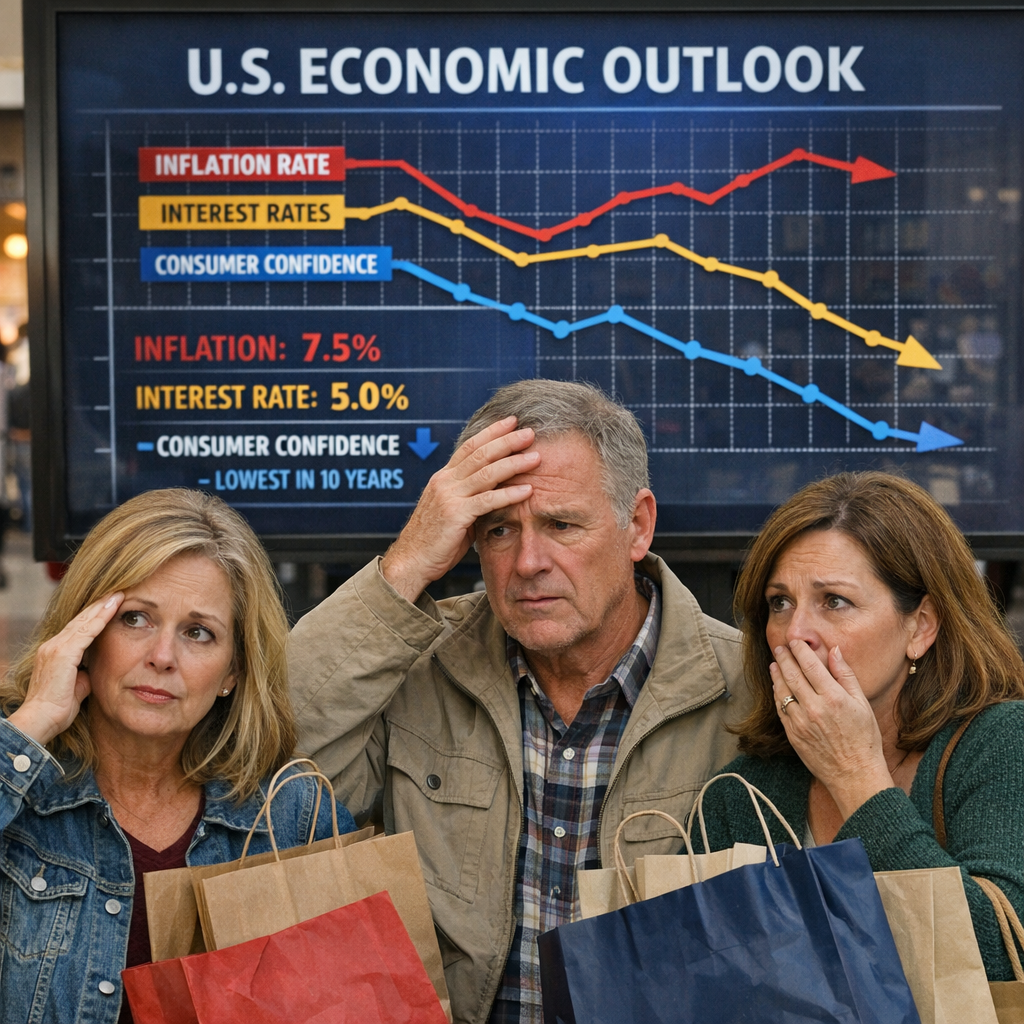
The U.S. economy expanded at a modest annual rate of 1.5% during the second quarter, matching earlier estimates. Consumer spending rose sharply, however, increasing 3.4% compared with just 0.5% in the first quarter. Still, this strength is partly offset by weak growth in government spending and trade. A broader gauge—stripping out volatile sectors like government and trade—showed underlying economic resilience, growing at a rate of 4.2%. Despite this, inflation remains a concern: a key price gauge used by the Federal Reserve held steady last month, suggesting persistent cost pressures for many households.
Labor Market Remains Stable but Uneven
Job growth continues, with private-sector hiring leading gains. The unemployment rate sits near 4.2%–4.3%, according to recent reports. Average hourly wages have increased about 3.5% from a year ago. However, when adjusted for inflation, these wage gains are minimal at best. Additionally, many key indicators—for example, job vacancies per unemployed person and labor force participation among prime-age workers—show signs of softening, especially in sectors slow to recover from earlier post-pandemic losses.
Consumer Confidence Slips
Survey data reveal waning optimism. Consumer confidence has dropped to a seven-month low, driven by rising prices at the gas pump and steady costs on groceries, clothing, and electricity. Many people express concern about whether their earnings are keeping up with inflation. These frustrations could feed into broader political tensions as the presidential administration and Congress face increasing scrutiny over economic policy.
What’s at Stake Nationally
- Federal Reserve action: With inflation staying elevated, officials are watching closely and may hike short-term rates if signs of overheating persist.
- Household budgets: With modest real wage growth, price increases in essentials continue to disproportionately affect working families.
- Political risk: Economic dissatisfaction tends to shape public opinion ahead of elections—policymakers may feel pressure to address cost-of-living challenges.
Looking Ahead
Many of the key questions now hinge on whether inflation trends moderate, especially as energy prices face volatility tied to international conflicts and trade tensions. If underlying inflation declines in the months ahead, it may ease pressure on the Fed and on households. But until then, substantial parts of the economy will likely remain under strain, especially for those whose incomes barely keep pace with rising costs.