

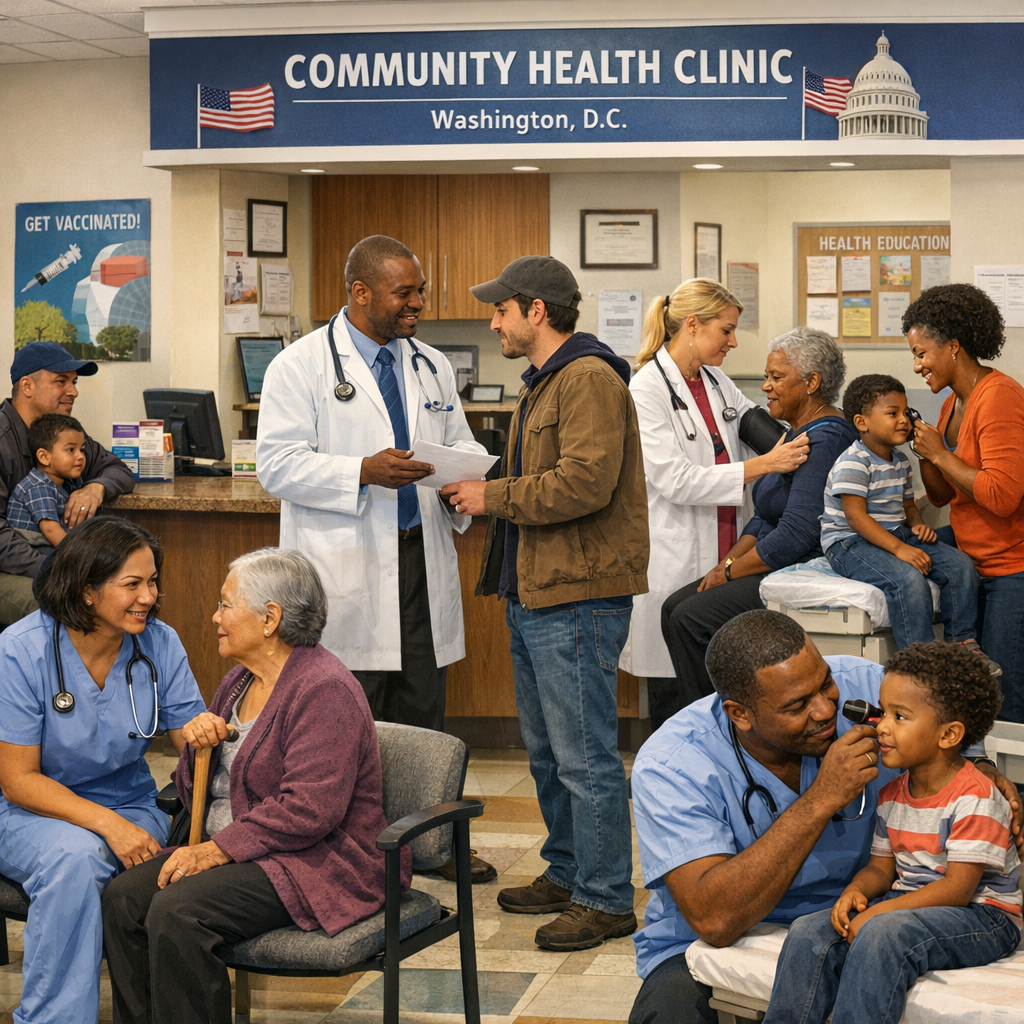
Washington, D.C., renowned for its rich history and cultural diversity, faces significant health disparities that disproportionately affect its Black residents. Nearly half of Black D.C. residents live in medically underserved areas, where access to primary care services is limited, and rates of chronic conditions like heart disease and hypertension are notably higher.
These disparities are particularly pronounced in low-income communities east of the Anacostia River. Despite various initiatives aimed at improving healthcare access, the gap in health outcomes between Black residents and other racial groups has widened over the years.
Community organizations are at the forefront of addressing these challenges. The Greater Washington Community Foundation’s VoicesDMV initiative seeks to understand residents’ experiences and inform community investments to better address these needs. Their recent report highlights that almost half of DMV residents are struggling or suffering in their overall well-being, underscoring the urgency of targeted interventions.
Efforts to improve health outcomes must be multifaceted, combining increased access to quality healthcare services with broader social and economic support systems. Community engagement and collaboration between residents, local organizations, and policymakers are essential to develop and implement effective solutions that promote health equity across the District.